Affiliate Disclosure: This article contains affiliate links. If you purchase through these links, we may earn a small commission at no extra cost to you.
Axavive ingredients: how to read the label
Compare the ingredient list and individual amounts against the current packaging. A proprietary blend can make meaningful dose comparisons difficult. Discuss possible interactions with a pharmacist. Further reading: NIH guidance on supplement ingredients and interactions.
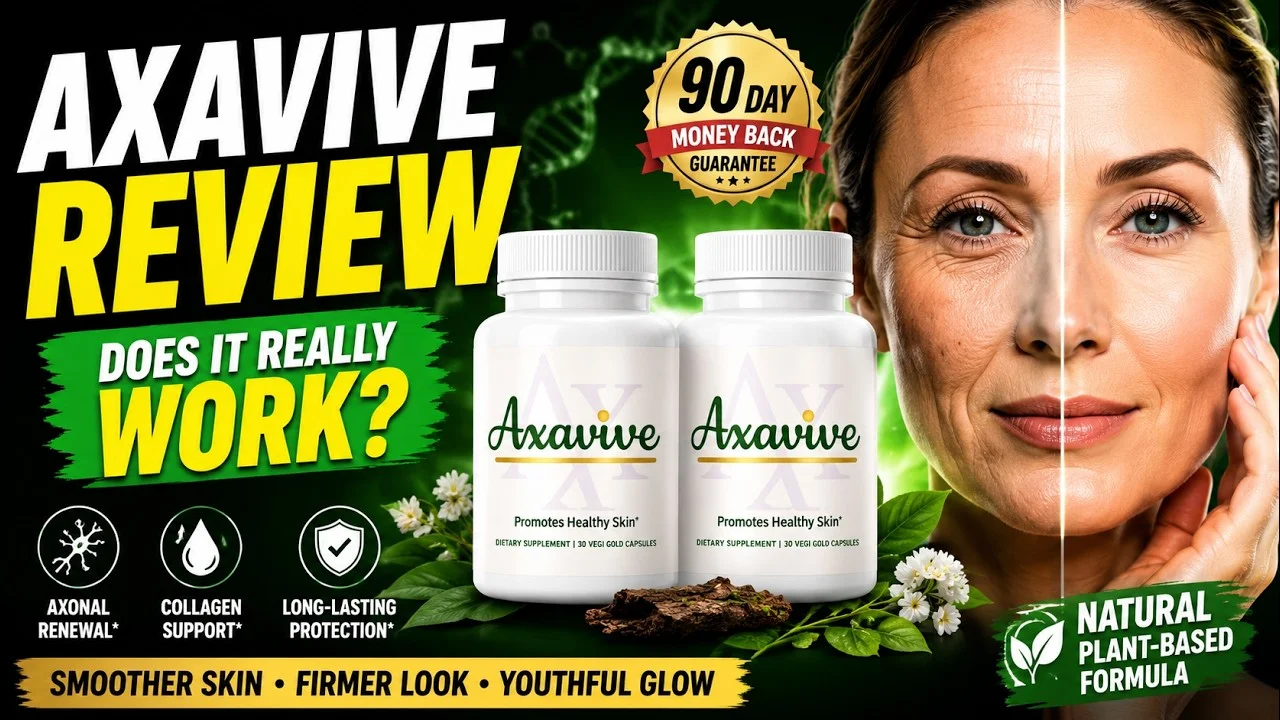
If you are looking for a detailed breakdown of Axavive ingredients, this article covers exactly that. While the full Axavive review covers the product as a whole, this page focuses specifically on the six botanical ingredients that make up the formula, what research says about them, and what limitations buyers should be aware of.
👍 Quick Answer: Axavive Ingredients
Main question: What are the ingredients in Axavive?
Short answer: Axavive contains six botanical ingredients: Astragaloside IV, Centella Asiatica, Bacopa Monnieri, Pine Bark Extract, Panax Ginseng, and Cistanche Deserticola. They are combined in a 250 mg proprietary blend.
Best next step: Read our full Axavive Review 2026 for pricing, side effects, pros, cons, and our honest verdict.
Axavive Ingredients Overview
Axavive is described as containing six botanical ingredients combined in a proprietary blend totaling 250 mg per capsule. Below is an overview of each ingredient and what available research suggests about its role in skin support.
| Ingredient | Known For | Role in Formula |
|---|---|---|
| Astragaloside IV | Cellular resilience, antioxidant pathways | Core of the Golden Seed Switch concept |
| Centella Asiatica | Collagen synthesis, wound healing, skin barrier | Skin structure and repair support |
| Bacopa Monnieri | Nerve signaling, adaptogenic properties | Nerve pathway and cognitive support |
| Pine Bark Extract | Antioxidant, microcirculation support | Skin antioxidant protection |
| Panax Ginseng | Adaptogen, cellular vitality, antioxidant defense | Overall wellness and vitality |
| Cistanche Deserticola | Cellular resilience, circulation | Traditional herbal support |
Key Axavive Ingredients Explained
Astragaloside IV
Astragaloside IV is a bioactive compound extracted from Astragalus membranaceus, a plant widely used in traditional Chinese medicine. In research contexts, it has been studied for its potential effects on cellular resilience and antioxidant defense mechanisms. It is the central component of Axavive’s Golden Seed Switch framework, though this terminology is brand-originated rather than a standard medical classification. One study on astragaloside IV demonstrated benefits for cellular antioxidant capacity (Zhang et al., Journal of Ethnopharmacology), but at specific isolated doses that may differ from the level present in Axavive.
Centella Asiatica
Centella asiatica, also known as Gotu Kola, is one of the most researched botanicals for skin health. Its active compounds, triterpenoids, have been studied for collagen synthesis and skin barrier support. A clinical study found that oral Centella asiatica supplementation improved skin elasticity and reduced visible aging markers over 12 weeks (Bylka et al., 2014, Advances in Dermatology and Allergology). In Axavive, it is combined with other botanicals in a proprietary blend, so the exact dose relative to study quantities is unknown.
Bacopa Monnieri
Bacopa monnieri is an adaptogenic herb with a long history in Ayurvedic medicine. While most commonly associated with cognitive support, its antioxidant properties may contribute to overall cellular health. Research on bacopa has primarily focused on neurological outcomes (Kongkeaw et al., 2014, Journal of Ethnopharmacology), with skin-specific studies being limited. In Axavive, it is included for its reported role in nerve signaling pathways related to skin health.
Pine Bark Extract
Pine bark extract is rich in proanthocyanidins, powerful antioxidant compounds, and is one of the most extensively studied botanical ingredients for skin health. Research suggests potential benefits for microcirculation and oxidative stress reduction. A randomized trial found that pine bark extract (Pycnogenol) improved skin hydration and elasticity after 8 weeks of supplementation (Marini et al., 2012, Skin Pharmacology and Physiology). These studies used standardized extracts at specific doses, which may not directly translate to the blend in Axavive.
Panax Ginseng
Panax ginseng is one of the most researched adaptogens worldwide. Its active compounds, ginsenosides, have been the subject of hundreds of studies related to cellular vitality and antioxidant defense. Clinical research on ginseng has shown potential benefits for skin health, including improved collagen production and antioxidant protection at specific isolated doses (Kim et al., 2016, Journal of Ginseng Research). It is also the ingredient in Axavive most likely to interact with certain medications, including blood thinners and diabetes drugs.
Cistanche Deserticola
Cistanche deserticola, sometimes called “desert ginseng,” has a history of use in traditional East Asian herbal medicine. It is less commonly known in Western markets but has been studied for its effects on cellular resilience and circulation. Research is more limited compared to the other five ingredients, with most studies being animal or in vitro rather than human clinical trials (Wang et al., 2017, Chinese Journal of Natural Medicines). This makes it the least evidenced ingredient in the formula from a human skin health perspective.
Ingredient Evidence Overview
| Ingredient | Typical Study Dose | Dose in Axavive | Evidence Level |
|---|---|---|---|
| Astragaloside IV | 50–200 mg (standardized extract) | Unknown (part of 250 mg blend) | Moderate — cellular studies only |
| Centella Asiatica | 100–450 mg (standardized triterpenoids) | Unknown (part of 250 mg blend) | Strong — human trials for skin |
| Bacopa Monnieri | 150–300 mg (standardized bacosides) | Unknown (part of 250 mg blend) | Moderate — cognitive focus, limited skin data |
| Pine Bark Extract | 50–150 mg (standardized proanthocyanidins) | Unknown (part of 250 mg blend) | Strong — human trials for skin |
| Panax Ginseng | 100–400 mg (standardized ginsenosides) | Unknown (part of 250 mg blend) | Strong — extensive human research |
| Cistanche Deserticola | 200–500 mg (varies by study) | Unknown (part of 250 mg blend) | Limited — mainly animal/in vitro |
Note: Study dose ranges are based on published research using isolated extracts. Axavive uses a 250 mg proprietary blend across all six ingredients, meaning individual doses are likely lower than typical study doses for any single ingredient.
Evidence Level Summary
Each of the six botanicals in Axavive has individual research supporting its potential benefits. However, there are critical distinctions buyers should understand:
- Ingredient-level vs. product-level research: Available studies focus on individual ingredients, not the finished Axavive formula. A proprietary blend of six ingredients may not produce the same effects as each ingredient studied in isolation at higher doses.
- Dose disclosure: The 250 mg proprietary blend means individual doses are not disclosed. Most clinical studies use 100–450 mg of a single standardized extract — significantly more than any single ingredient likely receives in this blend.
- No finished-product clinical trial: There is no publicly available trial testing the Axavive formula specifically. This is common in the supplement industry but means buyers should be realistic about expected outcomes.
For more on the safety profile, see our Axavive Side Effects and Safety article.
Are There Any Ingredient Concerns?
- Proprietary blend limitation: The 250 mg blend means individual doses are hidden, making independent dose verification impossible.
- Potential interactions: Panax ginseng has documented interactions with blood thinners, diabetes medications, and blood pressure drugs.
- Allergen awareness: Individuals with plant allergies should review the ingredient list carefully.
- No stimulants or hormones: The formula reportedly contains no stimulants, hormones, soy, or dairy — a positive for clean-label seekers.
For an analysis of Axavive trustworthiness, see our Is Axavive a Scam or Legit? article.
Final Thoughts on Axavive Ingredients
The six botanicals in Axavive are legitimate plant compounds with varying degrees of research support. The main limitation is the proprietary blend structure, which prevents independent dose verification. If ingredient transparency is a priority for you, this is worth considering before purchasing.
For a complete review covering pricing, side effects, pros, cons, and our verdict, read the full Axavive Review 2026.
Proprietary Blend: What Buyers Should Know
Axavive uses a proprietary blend of 250 mg per capsule containing all six botanical ingredients. This is an important detail for informed buyers:
- Total dose is disclosed: We know the combined weight of all ingredients is 250 mg per capsule.
- Individual doses are not disclosed: We do not know how much of each specific ingredient is present in each capsule.
- Comparing to studies is difficult: Clinical studies on individual ingredients typically use specific doses. Without knowing the exact amount in Axavive, it is impossible to confirm whether any ingredient reaches levels used in research.
- Common industry practice: Proprietary blends are legal and common in the supplement industry, but they do reduce transparency for consumers.
This does not mean the formula is ineffective. It simply means buyers cannot evaluate individual ingredient dosing independently.
Ingredient Safety Notes
- Most of these botanicals are generally well-tolerated when used appropriately.
- Panax Ginseng may interact with blood thinners (warfarin), diabetes medications, and blood pressure drugs.
- Bacopa Monnieri may cause mild digestive effects in some individuals.
- Individuals with allergies to plants in the Araliaceae family (ginseng) or Pinaceae family (pine) should exercise caution.
- Pregnant or breastfeeding women should consult a healthcare professional before using any supplement containing these botanicals.
For a complete safety analysis, read our Axavive Side Effects and Safety page.
Axavive Ingredients FAQ
What are the main Axavive ingredients?
Axavive contains Astragaloside IV, Centella Asiatica, Bacopa Monnieri, Pine Bark Extract, Panax Ginseng, and Cistanche Deserticola, combined in a 250 mg proprietary blend.
Are Axavive ingredients natural?
Based on publicly available information, all six ingredients are plant-derived botanicals. The brand states the formula is non-GMO and free from soy, dairy, stimulants, and hormones.
Does Axavive disclose ingredient doses?
No. The individual doses are not disclosed. The six ingredients are combined in a 250 mg proprietary blend, which is a transparency limitation.
Should I speak with a doctor before using Axavive?
Yes, especially if you are taking medication, have a health condition, or are pregnant or breastfeeding. Several ingredients may interact with common medications.
⚠️ Medical disclaimer: This article is for informational purposes only and does not replace professional medical advice. Always consult a qualified healthcare professional before using any supplement, treatment, or health-related product.
Ready to Learn More?
For the most current information, visit the official Axavive website.
How to evaluate Axavive ingredients and evidence
When assessing a multi-ingredient supplement, the full label matters more than a list of familiar botanical names. Check the amount per serving, extract standardization, other ingredients, serving directions, and warnings. If the label hides quantities in a proprietary blend, readers cannot compare it reliably with published research or judge whether an ingredient is present at a studied dose.
Evidence for a single ingredient does not prove that Axavive as a finished formula delivers the same result. Relevant studies should involve people, use a comparable dose and formulation, measure the specific outcome claimed, and disclose limitations. Marketing summaries may omit the study size, duration, or funding. If those details are not available, describe the claim as unverified rather than established.
| Label element | What to look for | Question to ask |
|---|---|---|
| Serving size | Number of capsules or scoops and daily frequency | Does the evidence use a comparable amount? |
| Ingredient quantity | Milligrams and extract ratio where relevant | Can I compare this with human research? |
| Warnings | Medication, pregnancy, allergy, and health cautions | Should a pharmacist or clinician review this? |
| Manufacturer | Company name, contact and batch details | Can I identify who made the product? |
Safety questions before use
Ask a healthcare professional whether the ingredients may interact with prescription or over-the-counter medicines, affect a chronic condition, or be unsuitable for pregnancy or breastfeeding. This is especially important for products marketed for weight, energy, blood sugar, or sexual health. Stop and seek advice if a concerning symptom appears. Do not change prescribed care based on a supplement review.
FDA does not generally approve dietary supplements for effectiveness before they are marketed. A statement such as “FDA registered” should not be read as FDA approval or proof that a product works. Be cautious of claims that promise a cure, guaranteed results, or a substitute for medical treatment. These general regulatory points do not imply a specific violation by Axavive.
How to buy more carefully
Compare the bottle shown at checkout with the one described in the review, verify seller identity and total price, and read auto-renewal and refund terms. Save the label, order confirmation, and lot number. Avoid buying a long supply before checking that the product is appropriate for you. If the seller changes the formula or dose, reassess the evidence rather than carrying forward an older review.
Editorial scope: This ingredient guide evaluates public label information and the evidence standard a reader should apply. It does not test product samples or make a medical recommendation. Always use the current product label and ask a qualified professional about personal risks.
Sources: FDA: Is it really FDA approved?; FDA dietary supplement Q&A.
What readers should take away about ingredient claims
A long ingredient list can sound persuasive, but more ingredients do not automatically mean better results. Each ingredient should have a disclosed amount, a plausible role, appropriate evidence, and a safety review. If one of those pieces is missing, state the uncertainty clearly. Readers benefit from knowing what is established and what the manufacturer has not shown.
Because supplement formulations can change, a review date matters. Compare the label to the one discussed here and do not assume that older studies apply to a new version. Check the current package and seek qualified advice before use.
Ingredient review summary
Ingredient names are only the beginning of an evidence review. Amount, extract type, product quality, interactions, and the exact health claim all matter. A useful article should say plainly when a claim cannot be confirmed and should link to primary sources where available. This helps readers and search systems understand the basis and limits of the recommendation.
How to explain evidence to readers
Separate three levels of information: the label states what the manufacturer declares; a published study evaluates a particular formula or ingredient under defined conditions; and an independent regulator may issue a notice about a named product. These sources answer different questions. Avoid presenting a label statement as independent proof or applying a notice about another brand to Axavive.
Include a review date and update the page when the package, evidence, or seller changes. That helps readers understand the age and scope of the information.
Reader takeaway
Axavive’s ingredient list is useful only when it is complete, current, and paired with amounts and warnings. Evidence must match the exact formula and outcome. Where that evidence is unavailable, say so directly. A product review cannot verify each batch or give personal medical advice. Readers should compare the label with the current seller page and consult a qualified professional when health risks or medicines are involved.
What makes an ingredient comparison useful?
A comparison should identify the source and amount of each ingredient, explain whether the evidence is human or laboratory research, and state the limits of applying it to Axavive. It should also discuss quality and safety rather than focusing only on possible benefits. If the formula uses a proprietary blend, mark the amount as undisclosed instead of estimating it.
Readers should be able to distinguish manufacturer claims, independent studies, and the reviewer’s judgment. Add a date when the label was checked and update the article if the ingredient profile changes. This makes an ingredient review clearer for readers and easier for search and AI systems to interpret accurately.